BEFORE TREATMENT 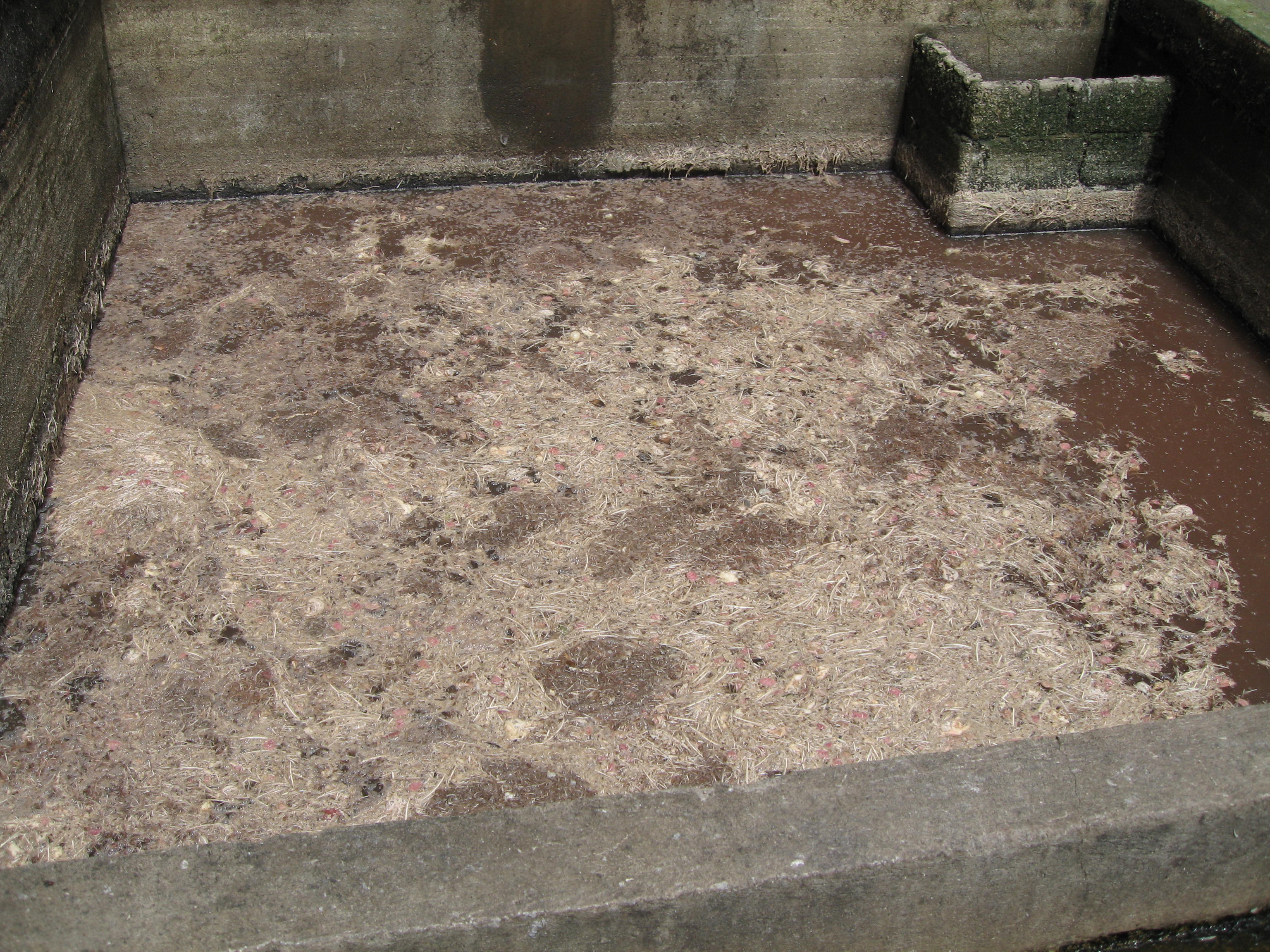 | AFTER TREATMENT 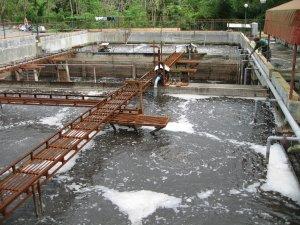 |
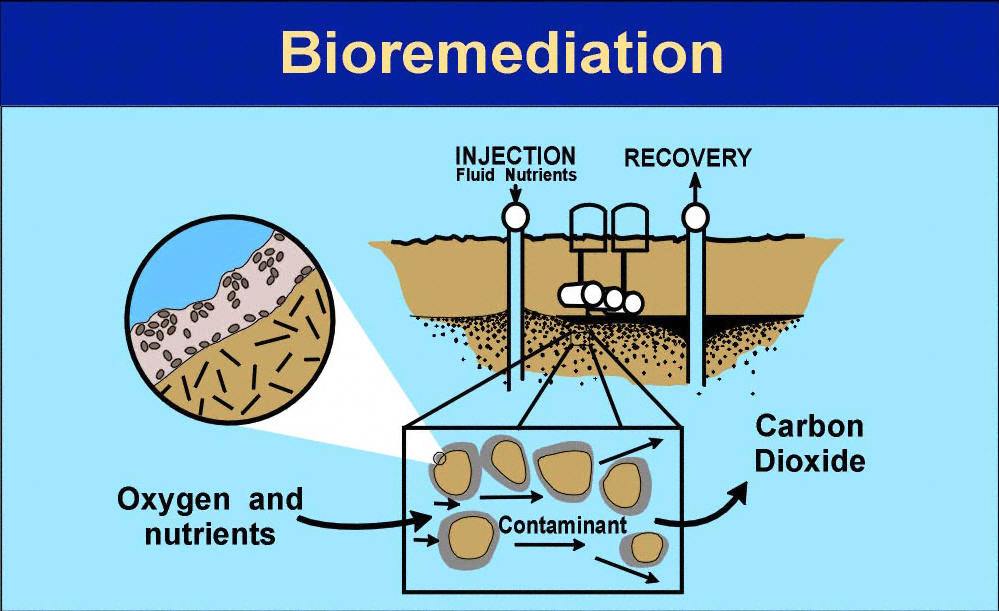
BIOREMEDIATION
IS A TREATMENT PROCESS THAT USES LIVING AND NATURALLY OCCURRING MICROORGANISMS TO RETURN A POLLUTED ENVIRONMENT TO ITS ORIGINAL CONDITION.
The effectiveness of wastewater facilities is in the digestion of organic pollutants in the wastewater through microbial action. A three stage treatment process for wastewater treatment is known to be both effective and economical, if all conditions are met. Round-the-clock aeration through high power pumps, aeration and sedimentation lagoons and a final disposal unit is essential in the operation of a facility. The size and capacity of the wastewater facility will be dependent on the estimated volume of wastewater discharge and the quality of the discharge. An increase in both the volume and the pollutant level will greatly affect the effectiveness of the facility.
As the facility absorbs an increasing volume and pollutant concentration, the units attached to the system will be heavily tasked. The over-all results are the escalating cost in the treatment process. Even with a constant wastewater discharge, the increasing cost of facility maintenance and operation proves to be prohibitive for the company utilizing such system.
The advent of biotechnology and the various developments in microbiology has given a new perspective in the treatment of various wastes. Microorganisms are found to have been able to transform various compounds and were proven effective in the degradation of wastes.
Bio-degradation of wastewater pollutants using microorganisms is not new. Commercial preparations are already available but limitations make these preparations unacceptable. Mixed results were observed by using these inoculants besides being expensive and non-significant reduction in total treatment time hinders the commercial use of these prepared microbial inoculants.
The NOMI Wastewater BioRemediation Technology focuses on:
- THE USE OF MULTIPLE CULTURE OF MICROORGANISMS DESIGNED TO DEGRADE ORGANIC MATERIALS IN THE BOTTOM SEDIMENTS, AND
- THE USE OF MULTIPLE CULTURES OR MICROORGANISMS TO DEGRADE ORGANIC MATERIAL IN THE WATER COLUMN.
The NOMI-Bottom Inoculant is designed to effectively decompose mixtures of biodegradable organic-based solid materials (sediments) tank bottoms. This process is made more effective with the inclusion of microorganisms that has the capacity to fix nitrogen, solubilize phosphorus and provide growth substances.
The NOMI-Water Inoculant is designed to effectively degrade mixtures of biodegradable organic-based materials from excreta and other sources suspended or dissolved in the tank water.
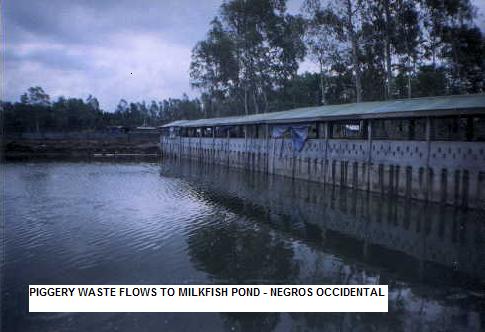
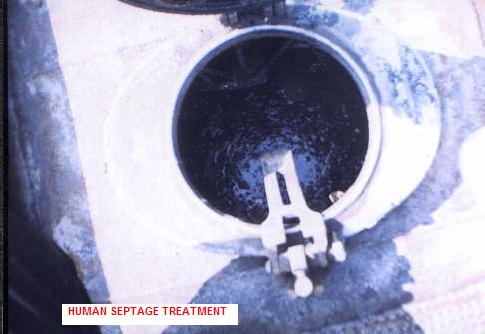
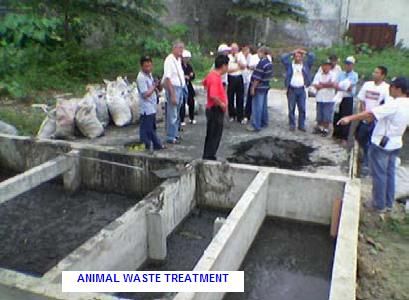
The general effect of the NOMI Wastewater BioRemediation technology is the following:
- Minimizes sludge accumulation by effectively degrading the sediments (for sewage and septage).
- Conversion of degraded sludge to substrate for Improved Bio-organic Fertilizers.
- Reduced power consumption from aerators and pumps.
- Reduced input costs such as flocculants, coagulants, lime and other materials.
- Reduced treatment time.
- Treatment can be done in site or in a designated location outside the facility.
- Total dissolved solids, biochemial oxygen demand and other parameters are decreased significantly.
- It is a safe, effective, and low maintenance treatment process.
- Power consumption can be reduced significantly due to the reduction of use of aeration pumps.
