The microbial or bio-fertilizer technology was developed at UP Los Banos. (Phils) It was first applied to leguminous crops in the early 70's, and in the late 80’s was used to forest species and food crops such as rice and corn with minimal chemical fertilizer amendments. Other researchers further improved on the technology. The present technology could eliminate the use of chemical fertilizers to rice. The yield is the same or even better compared to chemical fertilizer output.
The technology was fully developed in 1998. It was presented to the Philippine Society for Microbiology and to the Crop Science Society of the
In March 2006, UGL Probio was formed primarily to promote and market the Aquacuture and Probiotic Technology to fish growers and food processing industry.
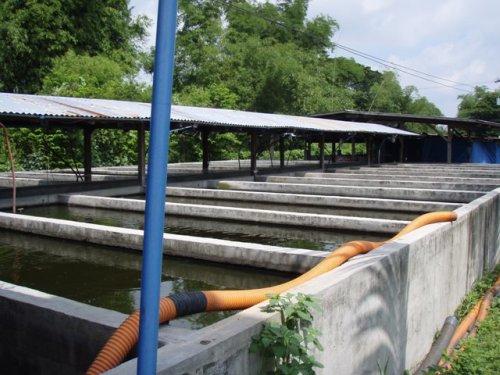
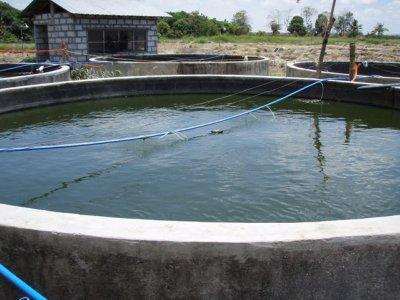
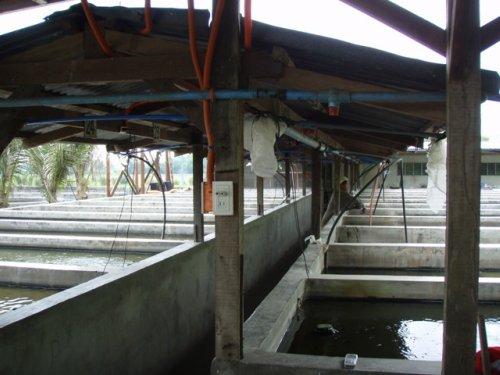
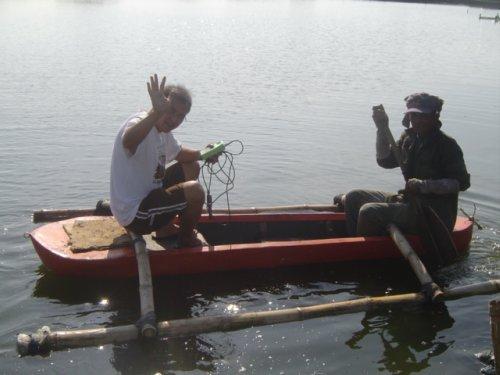
UGL established an aquaculture (Tilapia Growout) project in
In early 2008, NOMI was organized to address the food production and fertilizer crisis. NOMI responded to requests by farmers groups and Local Government Units (LGU) to educate them on composting techniques as the need to shift to more effective and economical methods to reduce farm inputs and increase profitability was necessary to counter the continuous rise of fertilizer prices. low income growers, in particular, were finding it impossible to guarantee their crop yields if they were to scrimp on fertilizer.
As numerous inquiries for supply of organic fertilizer were received, NOMI saw the
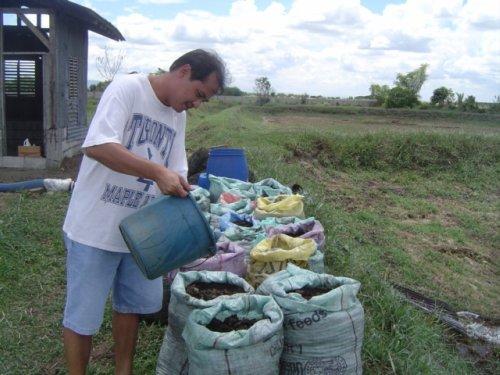
After identifying raw material sources, a production site was established in ME Bundukan, Bocaue, Province of Bulacan.
Production was launched in July 2006 with current capacity of 3500 50kgs/bags/month.
OUR SERVICES
WASTE MANAGEMENT
WASTE CONVERSION AND DISPOSAL
SYSTEM AND TECHNOLOGY IN COMPOSTING
ENRICHMENT APPLICATION FOR BIOFERTILIZER
PROJECT MANAGEMENT AND TECHNICAL CONSULTANCY

